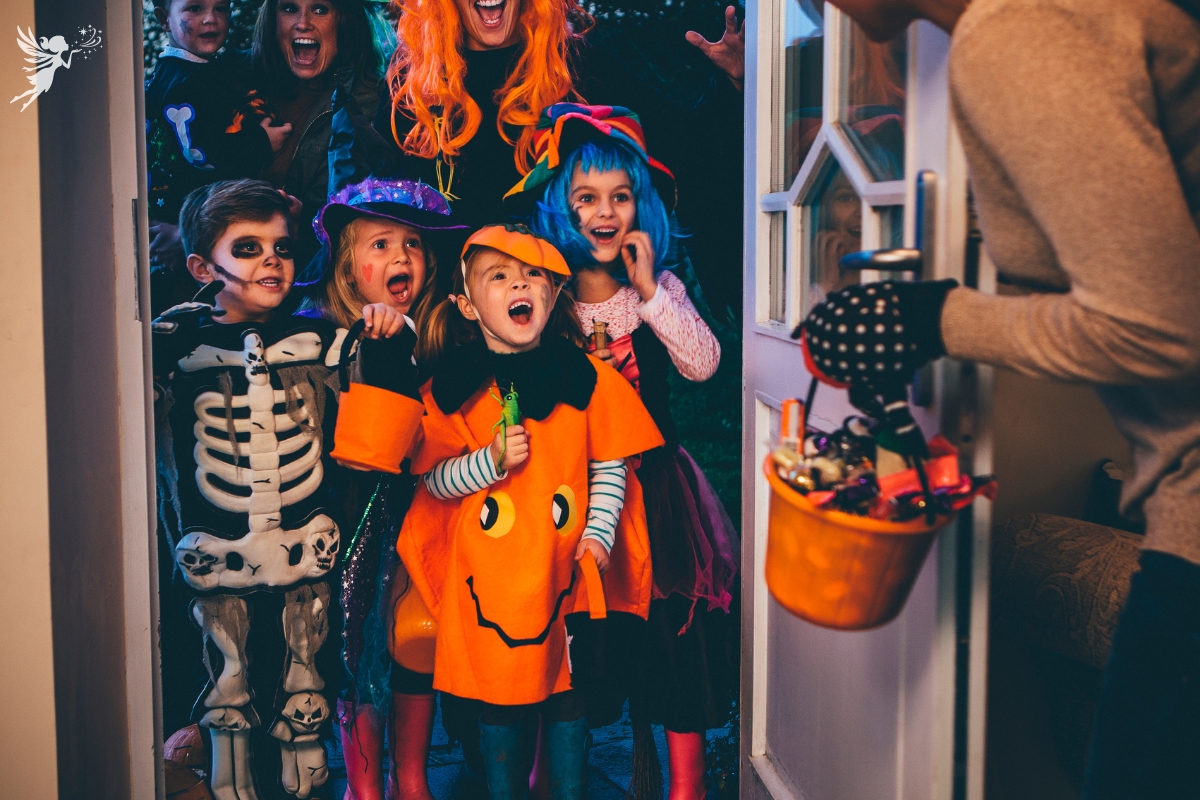
Non-Candy Halloween Treats (And Why They’re Worth Having)
The healthy-eating reminder letter always seems to land the same week the Halloween displays go up. And I get it — between school policies, food allergies in the classroom, and just trying to be a considerate neighbor, “what am I supposed to hand out?” is a real question.
It’s Halloween. You want it to feel fun, not like a nutrition audit.
Here’s my honest take, as someone who has spent more hours than I’d like to admit in a dentist’s waitroom (mine and my kids’) while also being the mom scrambling to find a nut-free option for the classroom party by Thursday: candy doesn’t have to be the only answer, and the alternatives don’t have to feel like a downgrade either.
Not ready to start planning yet? Save these ideas to Pinterest for later
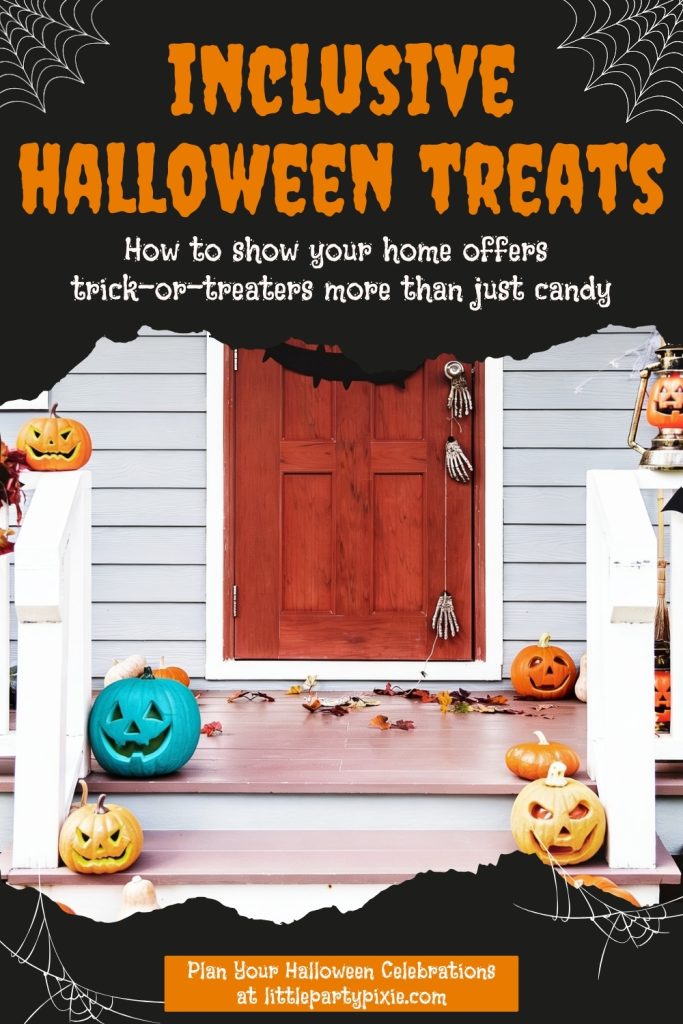
It’s not just about being “good”
The dentist-chair logic is real, but it’s honestly the smallest reason to keep a few non-candy options on hand.
The bigger one: for a lot of kids, candy genuinely isn’t a simple yes. Food allergies, diabetes, a newly diagnosed condition, a sensory aversion, a religious or dietary restriction — there are a dozen quiet reasons a parent might be relieved to see something other than a candy bowl.
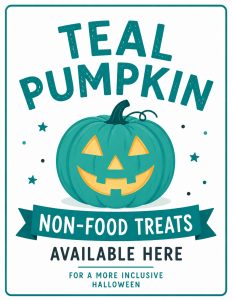
This is actually the entire idea behind the Teal Pumpkin Project, a nationwide initiative from FARE (Food Allergy Research & Education) that encourages households to offer non-food treats alongside or instead of candy so trick-or-treaters with food allergies can join in safely.
The CDC estimates that around 1 in 13 children has a food allergy serious enough to be life-threatening, which is a lot of kids at a lot of front doors. Households that want to take part display a teal pumpkin (painted, purchased, or a printable sign) and keep non-food treats in a separate bowl — a small, visible way of saying “there’s something safe here for you too.”
If you want the fuller picture on hosting kids with allergies, sensory needs, or anything else that makes a “one-size-fits-all” party trickier than it looks, our considerate hosting guide covers it in more depth (this guide is really just the Halloween-specific slice of that bigger idea!).
How to offer it without making any kid feel singled out
The easiest way to get this wrong is to make the non-candy option feel like a consolation prize, or worse, to make it obvious which kid it’s “for.” A few ways to keep it low-key:
- Frame it as extra, not instead. “We’ve got candy and some fun little extras — grab whichever!” reads very differently than “this one’s for kids who can’t have candy.”
- Use two bowls, not a labeled one. Let kids choose for themselves rather than handing out a specific item to a specific child.
- For classroom swaps, loop in the teacher first. A quick “does anyone need me to send a non-food option too?” to the teacher keeps it private between adults—no need to announce it to the class.
- If it’s your own child who needs the swap, a simple line like “you get to pick something extra fun instead” keeps it framed as a choice, not a restriction, especially for younger kids who are still picking up on tone more than logic.
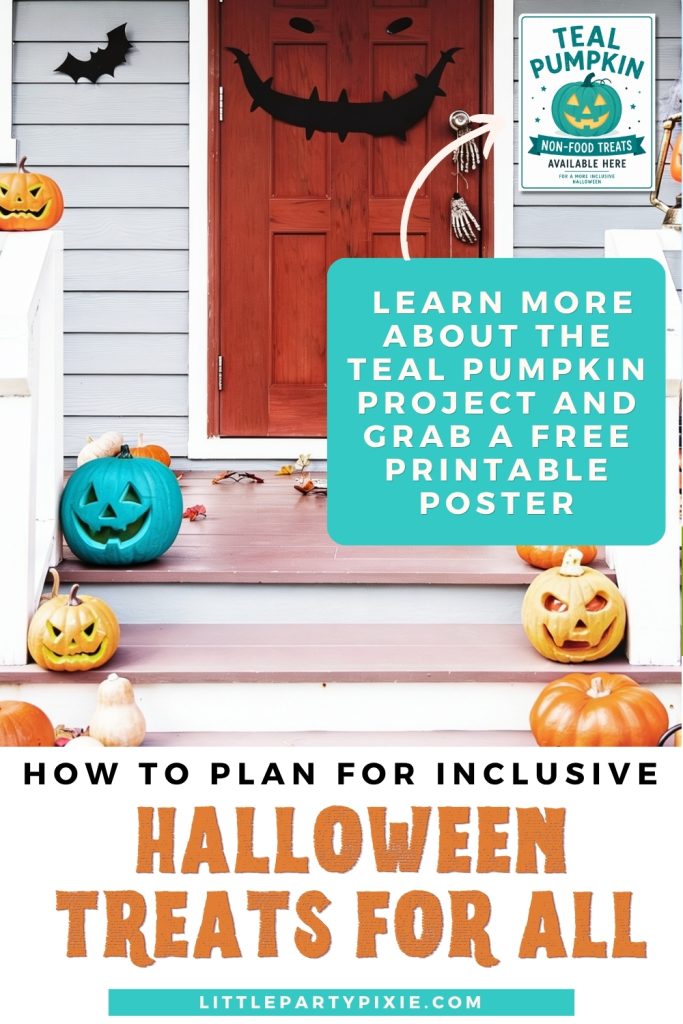
Treat ideas that aren’t candy
So what sort of treats can be just as much fun for kids to receive? Lets look at a few scenarios:
Little toys and trinkets everyone reaches for
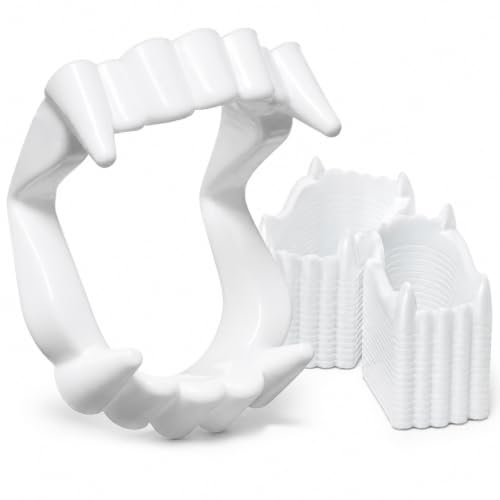
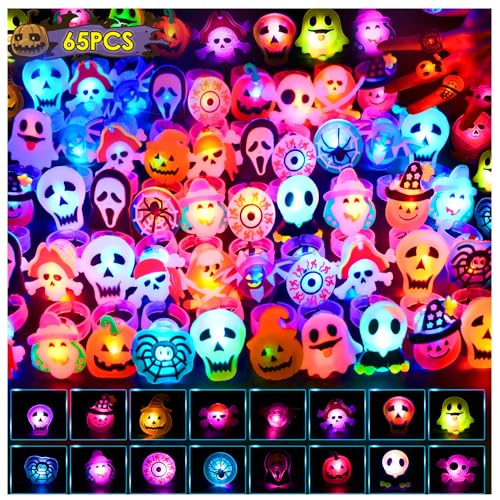
This is the classic Teal Pumpkin category, and it works because kids genuinely love it — spider rings, mini bouncy balls, temporary tattoos, plastic vampire fangs, tiny notebooks. It doesn’t need to be elaborate; a $10 bulk bag from a party supply aisle usually covers an entire trick-or-treat night.

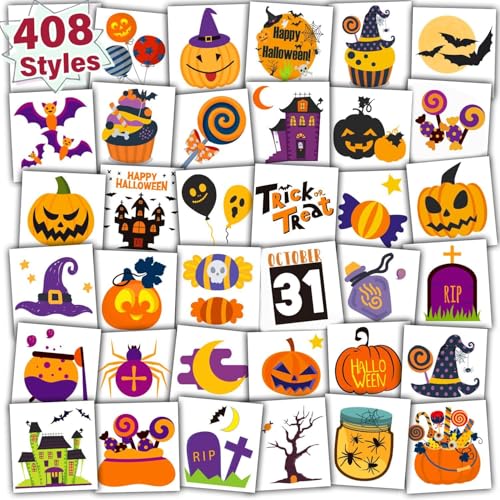
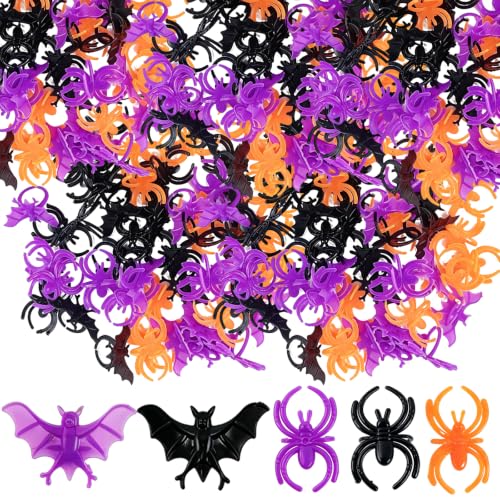
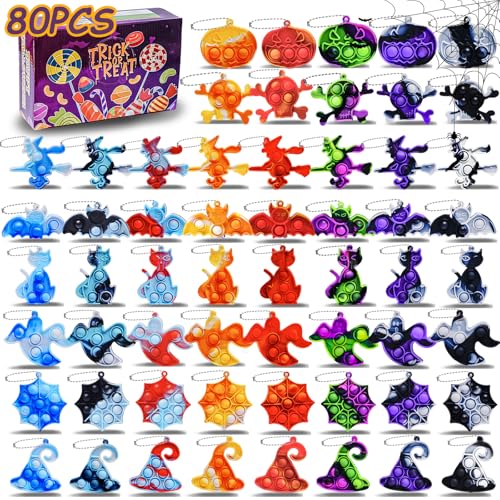
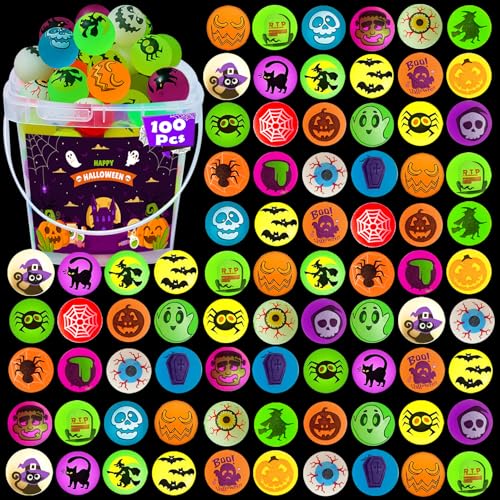
Glow-in-the-dark treats for trick-or-treating
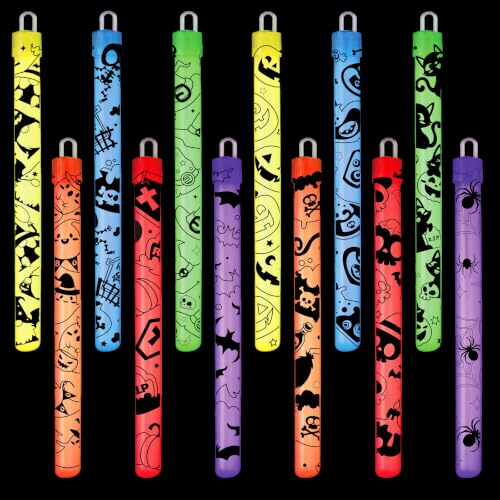
Because trick-or-treating happens after dark, glow sticks, glow bracelets, or a mini flashlight keychain double as both a treat and a small safety upgrade — genuinely useful, not just novelty. These are the treats kids will remember the next day.

School-safe swaps for classroom parties
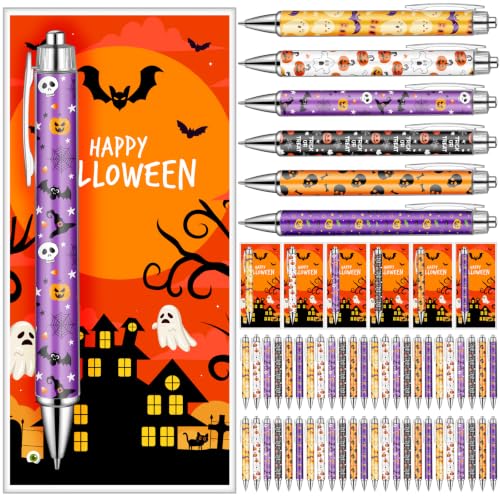
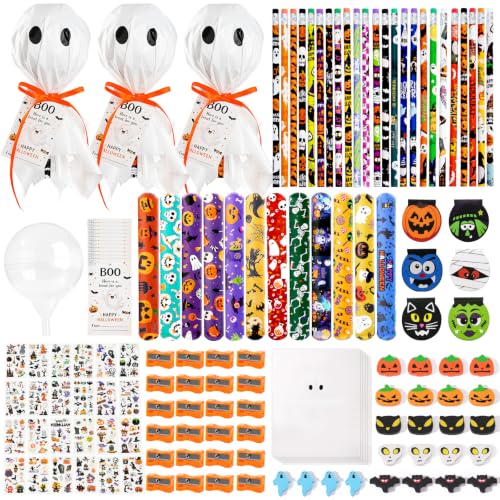
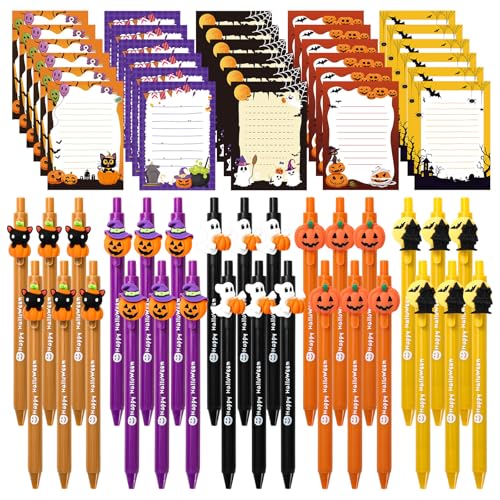
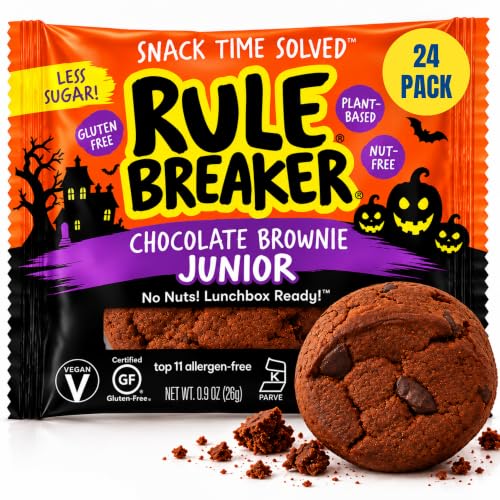
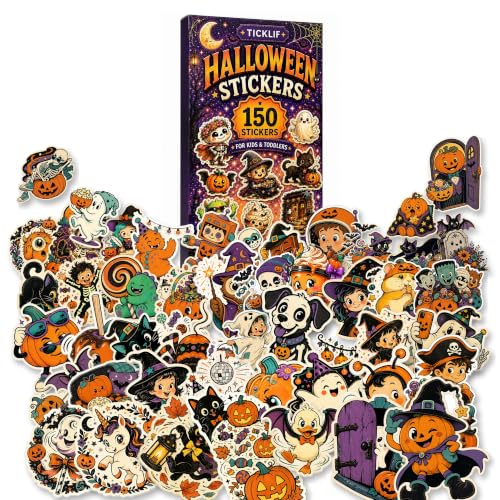
For classroom treat bags, the win is anything individually wrapped and nut-free by default — think Halloween-themed pencils, erasers, or stickers rather than food at all, which sidesteps allergy questions entirely.
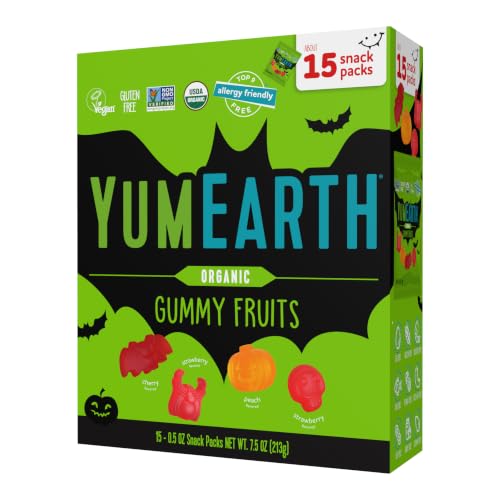
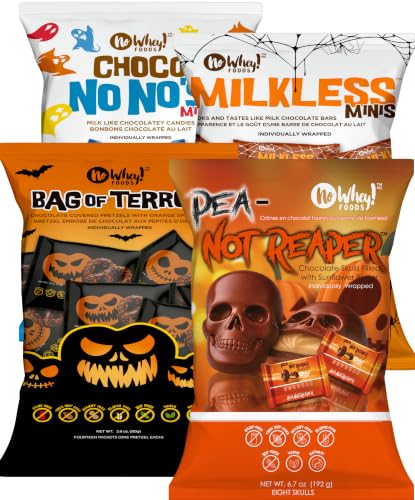
If you do want a food option, look for something clearly labeled nut-free and individually sealed so it meets most school policies without extra checking.
Stationery and craft-style treats
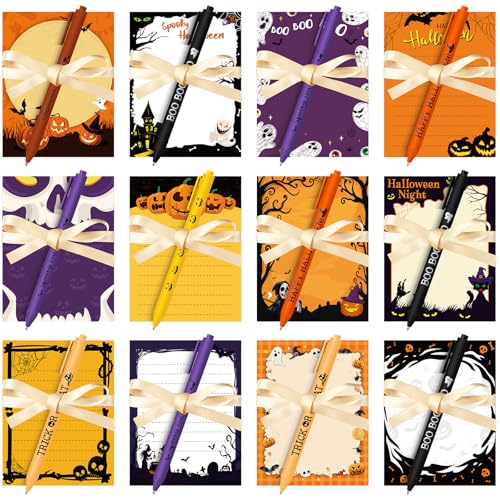
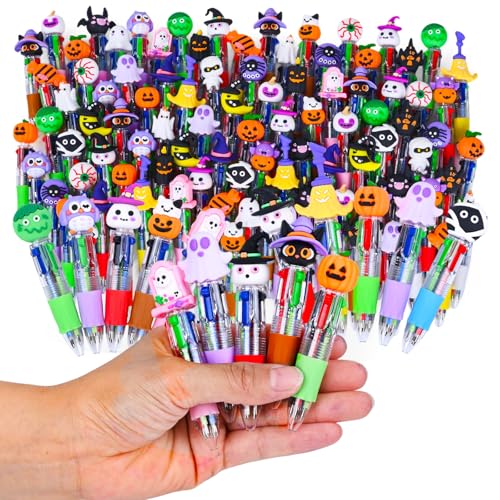
Mini notebooks, seasonal pencils, sticker sheets, and small coloring books are an easy win for both school parties and the front door — cheap enough to buy in bulk, and they don’t compete with the “too much sugar” conversation at all.
Explore our suggested easy kids’ Halloween crafts over here
A few practical notes
- Buy in bulk where you can — trinket and stationery treats are almost always cheaper per item in a multipack than individually.
- Check with the teacher before the classroom party, not the night before — school allergy policies can be specific, and a quick check saves a last-minute store run.
- Keep candy and non-candy treats in separate containers if you’re doing both at your own door, so trick-or-treaters (or their parents) can easily tell what’s what.
One small pumpkin, a lot of relief for someone
You don’t have to go all-in and ditch candy altogether—even a small backup bowl makes a real difference for the kid (and parent) who needs it. It’s a small thing that costs very little and means a surprising amount.
Looking for more Halloween gifting ideas beyond the trick-or-treat bowl?
- Find even more ideas for non-candy treats in our Halloween party favors guide
- In the gifting mood, you might also like to check out our boo basket ideas and hostess gift guide
- Hosting at home? We have you covered for Halloween party planning ideas from toddler parties through to teen Halloween bashes in the backyard
- Make a night of it and host a sleepover this Halloween – packed with ideas from movie night selections for every age group to the best Halloween breakfast worth waking up for!

© Little Party Pixie 2026