Beyond Tonic: Discovering Delicious Gin Mixer Alternatives
Gin has experienced a remarkable renaissance recently, with craft distilleries and innovative mixologists elevating this classic spirit to new heights.
While the iconic gin and tonic remains a beloved go-to (particularly for ladies), a whole world of mixers is waiting to complement gin’s complex botanical profile.
Whether you’re hosting a sophisticated soirée at home or want to expand your home bar repertoire, some surprising alternatives to tonic deliver delightful flavor combinations that showcase gin’s versatility.
No time to read now? Save these drink ideas to Pinterest for later
Understanding Gin
Before we look at mixers, let’s first understand gin’s flavor profile.
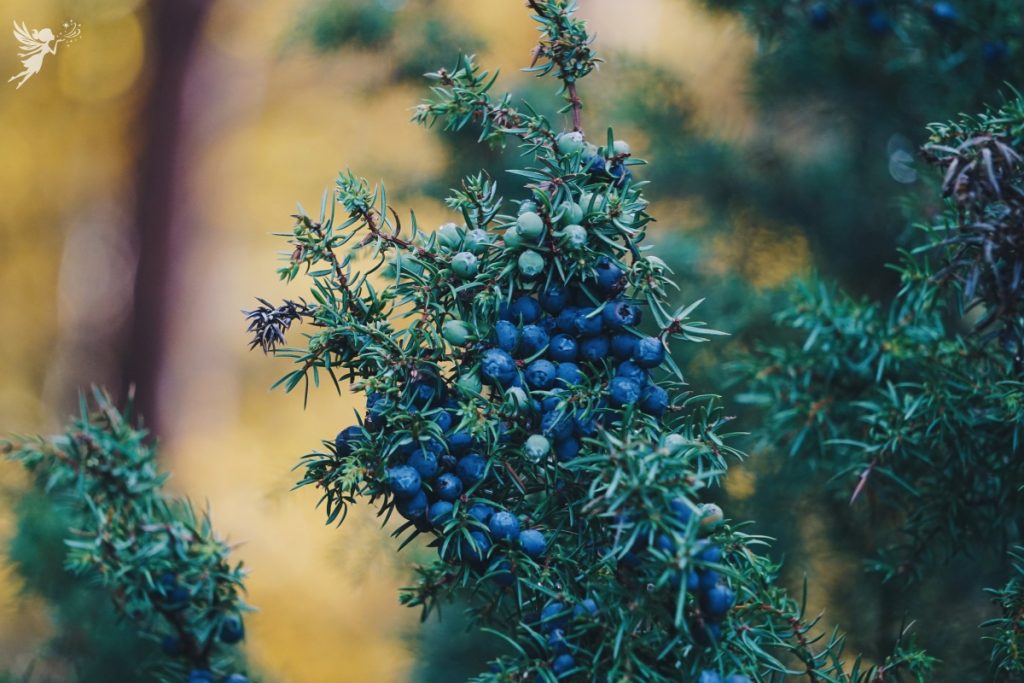
Gin is a distilled spirit defined by its predominant flavor of juniper berries, complemented by various botanicals like coriander, citrus peel, angelica root, and other herbs and spices. Its flavor profile is typically crisp, herbaceous, and slightly piney from juniper, with varying degrees of citrus, floral, and spicy notes depending on the brand and style.
Traditional London Dry gins tend to be juniper-forward, while newer craft gins might emphasize different botanical elements.
Gin is commonly served in classic cocktails like Martinis, Negronis, and Gimlets, or simply with tonic as a refreshing sundowner.
Gin is enjoyed mixed, not Straight
Unlike sipping spirits, gin is designed to be mixed. At 40-47% ABV, its high alcohol content and bold botanical flavors are too intense to drink straight.
Mixers dilute the spirit to a palatable strength and balance gin’s juniper-forward profile, allowing its complex botanicals to shine rather than overwhelm. The classic ratio is 1 part gin to 3 parts mixer, though you can adjust to 1:2 for a stronger drink or 1:4 for something lighter and more refreshing.
Why Gin Loves Tonic
Gin and tonic’s legendary pairing originated with British colonial officers in India, who added gin to their medicinal tonic water (containing quinine) to make it more palatable. The bitter quinine in tonic perfectly counterbalances gin’s botanical complexity, while carbonation lifts and enhances the aromatic qualities.
The classic lime garnish adds brightness to this time-honored combination. The symbiotic relationship between gin’s herbaceous character and tonic bitterness creates a refreshing, balanced drink that is greater than the sum of its parts.
8 Other Mixers That Work Well With Gin
While gin and tonic remains the timeless classic, there’s a world of exciting flavor combinations beyond that familiar pairing. I’ve been exploring some brilliant new gin mixers that will elevate your next party and surprise your guests with unexpected twists on this versatile spirit.
Fresh Citrus Juice
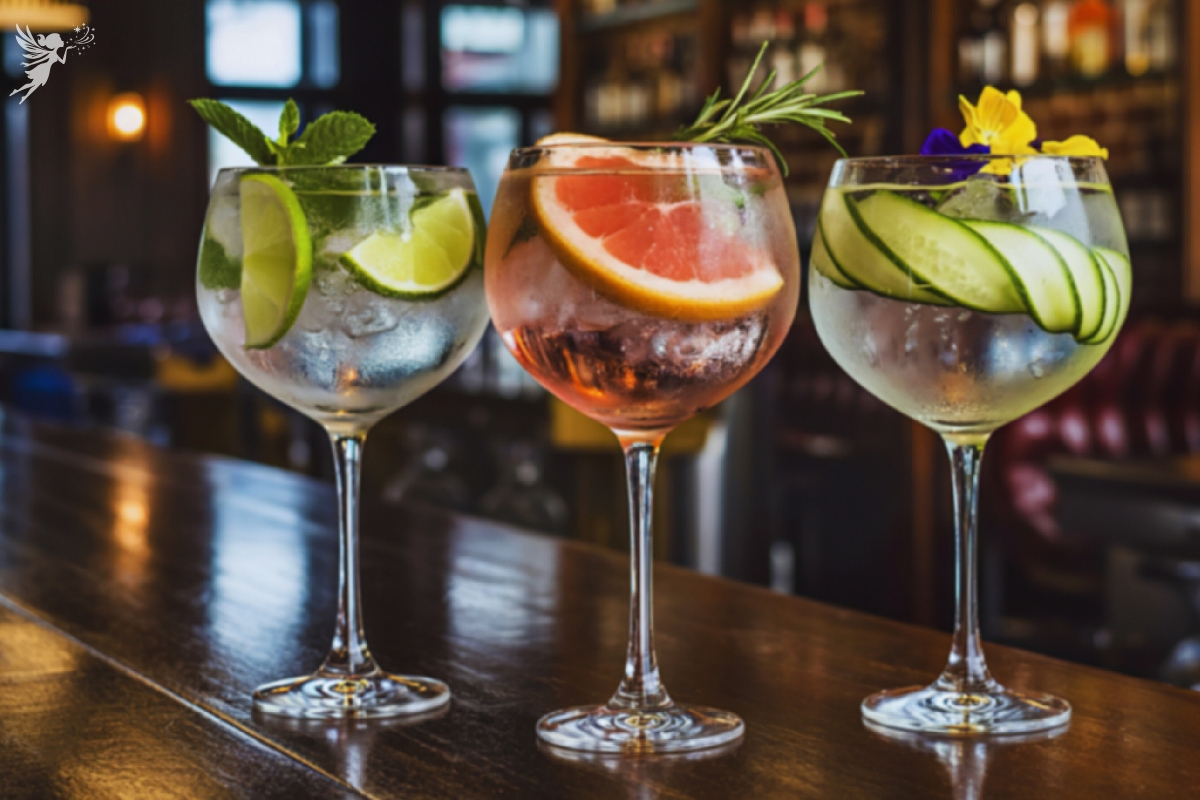
Gin’s botanical notes pair beautifully with the bright acidity of fresh citrus juices. Lemon juice creates a simple, refreshing Tom Collins when combined with sugar and soda water. Pink grapefruit juice offers a bittersweet complement that enhances gin’s complexity without overwhelming it.
Even orange juice can work well with more citrus-forward gins. These combinations are perfect for brunch gatherings or as refreshing summer drinks, especially when garnished with fresh herbs like basil or rosemary to highlight gin’s botanical character.
Elderflower Cordial or Liqueur
The delicate floral sweetness of elderflower pairs beautifully with gin’s herbaceous profile. St. Germain elderflower liqueur or a non-alcoholic elderflower cordial mixed with gin and topped with soda water makes an elegant, fragrant cocktail.
The floral notes complement the gin’s botanicals, adding a subtle sweetness that balances the juniper’s sharpness. This combination shines at garden parties, weddings, or any spring or summer celebration where you want something a bit more special than a standard G&T.

Cucumber Soda
Cucumber’s cool, subtle sweetness amplifies gin’s more delicate botanical elements, creating a remarkably refreshing combination. Mix gin with cucumber-flavored soda water, or muddle fresh cucumber and combine with gin and plain soda for a garden-fresh experience.
The subtle vegetal quality of cucumber enhances gin’s herbaceous notes without competing with them. This combination works beautifully for spa-inspired cocktails, poolside sipping, or as a cooling pre-dinner drink during warmer months.
Ginger Beer or Ginger Ale
The spicy warmth of ginger creates a surprisingly complex and satisfying pairing with gin. A gin and ginger beer combination (sometimes called a Gin Buck) offers a zippy spice contrasting with gin’s cool botanicals. In contrast, ginger ale provides a softer, sweeter approach.
This pairing works exceptionally well with spicier, more robust gins. It makes for an excellent transitional cocktail for fall gatherings or as a warming option during cooler months. Garnish with fresh lime and a slice of candied ginger for an extra flavor dimension.
Bitter Lemon Soda
Bitter lemon soda captures some of the quinine character of tonic but with a pronounced citrus twist, creating a more lemony alternative that still beautifully complements gin. The combination offers bright acidity alongside subtle bitterness, enhancing gin’s botanical complexity.
This mixer works particularly well with traditional London Dry gins. It is a refreshing option for those who want something similar to a G&T but with a more pronounced citrus character. It is perfect for afternoon gatherings or as an aperitif.
Fresh Apple Cider
Unfiltered apple cider brings autumnal warmth to gin, creating a seasonally appropriate cocktail for fall and winter entertaining. The apple’s natural sweetness and subtle tang complement gin’s botanical profile, especially when paired with gins with cinnamon or cardamom notes.
Add a splash of lemon juice to brighten the mix, and garnish with a cinnamon stick for an aromatic experience. This combination works beautifully for harvest celebrations, Thanksgiving gatherings, or cozy fireside sipping.
Earl Grey Tea
Now hear me out! The bergamot-infused character of Earl Grey tea creates a sophisticated affinity with gin’s botanical profile. Brew strong Earl Grey tea, chill it thoroughly, then combine it with gin and a touch of honey or simple syrup for balance.
The tea’s tannins provide a structure similar to the tonic’s bitterness, while the bergamot oil echoes the gin’s citrus notes. This combination excels at afternoon garden parties, literary gatherings, or any time you want a more contemplative cocktail experience with lower sugar content.
Rosemary-Infused Lemonade
Homemade lemonade infused with fresh rosemary makes a garden-inspired mixer that highlights gin’s herbaceous qualities. Lemon provides brightness and acidity, while rosemary adds an aromatic dimension that complements gin’s botanical character.
This combination offers a sophisticated upgrade to simple lemonade and works beautifully for garden parties, picnics, or summer dinners. The herbal notes make this pairing particularly well-suited to food accompaniment, especially Mediterranean-inspired dishes.
Alcohol-Free Gin Alternatives
Non-alcoholic “spirit alternatives” have evolved significantly, with several brands now offering convincing gin substitutes that capture the botanical complexity without the alcohol. These products typically blend juniper with similar botanicals found in traditional gin—coriander, angelica, citrus peels, and various herbs.
To emulate gin’s distinctive flavor profile in homemade mocktails, consider creating a botanical infusion by steeping juniper berries, cardamom pods, coriander seeds, dried citrus peel, and fresh herbs like rosemary in hot water and then chilling. Add cucumber, citrus juice, and a splash of non-alcoholic aromatic bitters for complexity.
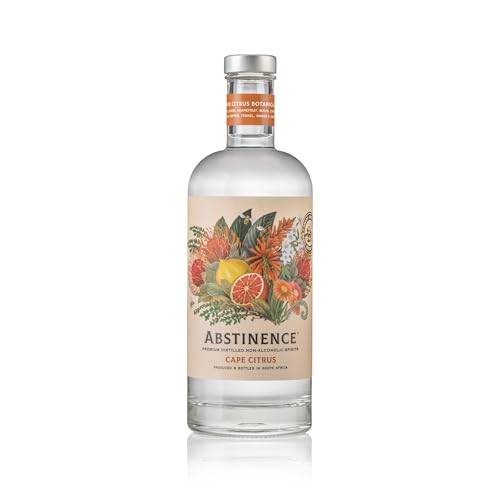
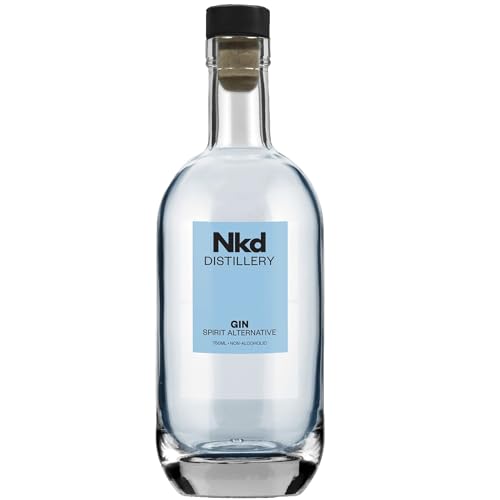

These alcohol-free alternatives work beautifully with all the mixers mentioned above, allowing non-drinkers to enjoy the sophisticated botanical experience that makes gin cocktails so appealing.
The world beyond gin and tonic offers endless creative possibilities for gin enthusiasts. Whether you’re seeking refreshment, sophistication, or seasonal flair, these alternative mixers showcase gin’s remarkable versatility. Experiment with these combinations to discover your personal favorites, and don’t be afraid to adjust proportions to suit your taste preferences.
For more gin inspiration, explore our collection of classic gin cocktails, innovative gin-based mocktails, and seasonal gin recipes that will keep your entertaining options fresh year-round.
© Little Party Pixie 2026