How to Throw an Unforgettable Backyard Campout Party For Kids
That Kids Will Talk About All Summer
There is something genuinely magical about sleeping under the stars — even if those stars are directly above your own back garden.
A summer campout party sits in a sweet spot that very few other celebrations reach: it is adventurous enough to feel exciting, simple enough to be genuinely manageable, and slow enough to let real memories form (without trekking hundreds of meters into the forest, and far fewer mysterious creepy crawlies!)
Whether you are planning a birthday sleepover, an end-of-school celebration, or simply a special night for your own children and a handful of their closest friends, a backyard campout delivers the kind of wonder that no soft-play venue or bowling trip can replicate.
Not ready to start planning? Save these ideas to Pinterest for later
The good news is that it does not need to be complicated or expensive to be brilliant. What it does need is a little advance thought — because a campout that hasn’t been planned tends to become a frazzled midnight scramble rather than the magical experience you pictured.
This guide walks you through everything: from choosing your spot and sorting the sleeping setup, to food, lighting, activities, and the small details that make children feel like the whole night was made just for them.
Read through it once, make your list (or steal ours!), and then get excited — because this is going to be a great night and, whilst a little exhausting, one of their most memorable childhood experiences!
1. Choose the Right Spot in Your Garden
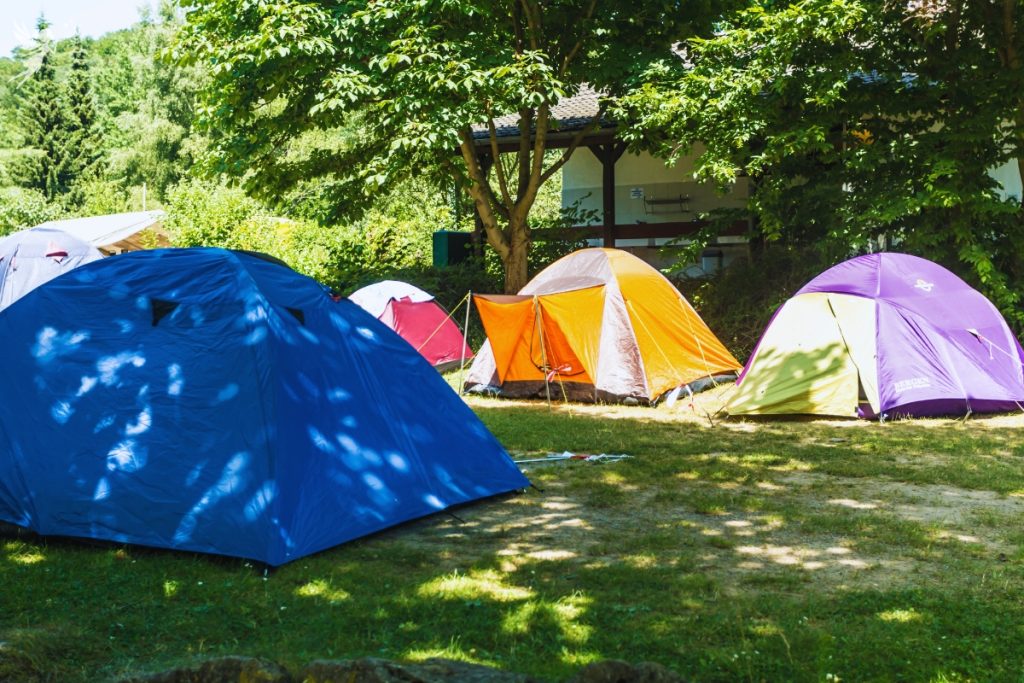
The foundation of a great campout is choosing the right patch of ground — and it’s worth spending ten minutes walking your garden before you commit to a spot. Look for the flattest, most level area you can find, since even a gentle slope becomes very noticeable when you’re trying to sleep on it.
Avoid low-lying areas that might collect dew overnight or feel damp, and steer clear of ground close to standing water, which tends to attract insects.
Think about the practicalities of the whole evening:
- Is there a power source nearby for fairy lights or a speaker?
- Is the spot sheltered enough from wind?
- Will there be enough room for the children to move freely during games as well as sleep?
- Garden borders, raised beds, and uneven paving can all be worked around with a little creative tent placement — sometimes a patio area with a large tarp underneath is more comfortable than a patchy lawn.
✦ Tip: Walk the area at dusk the evening before your campout if you can — you’ll notice things like a neighbor’s security light, a damp patch, or an uneven edge that aren’t obvious in daylight.
2. Decide on Your Sleeping Setup Early
The sleeping arrangement is one of the most important decisions you’ll make, and it’s worth ironing out well before the night itself.
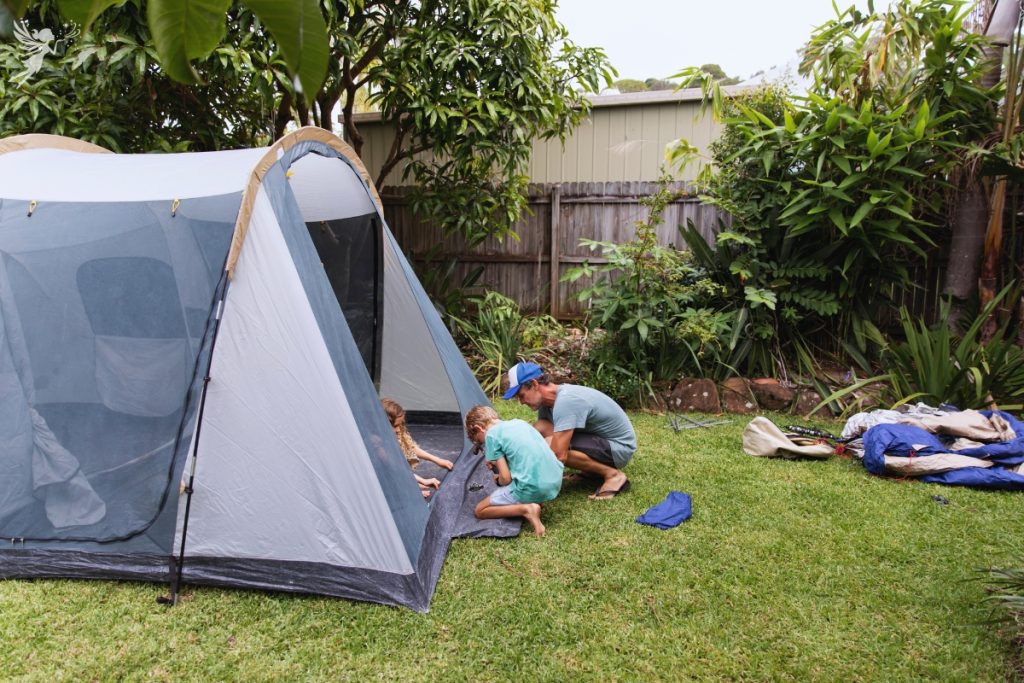
There are a few options to consider: individual tents for small groups who each want their own space, one large family-sized tent or shared canopy for a communal feel, or a hybrid approach where you set up sleeping pods side by side inside an open-sided gazebo.
For birthday parties, the ‘pod’ approach — yoga mat, sleeping bag, pillow, and a small glow light per child — feels especially special and keeps things tidy.
Communicate clearly with parents beforehand about what guests need to bring, for example, sleeping bags, roll mats or self-inflating pads, a small pillow, and a hoodie or extra layer are the essentials.
Remind parents that even warm summer nights can feel chilly at 3 am, particularly for lighter sleepers. If you have a fire pit or patio heater, set aside a safety zone and decide in advance whether it will be adults-only or supervised.
✦ Tip: Label each sleeping pod with a small name sign or personalized luggage tag — it takes two minutes and makes every child feel like the campout was made especially for them.
3. Send Out Invites with Key Info
A campout invite does double duty: it builds excitement and reduces the number of panicked WhatsApp messages you’ll receive the evening before.
Whether you go digital or print, make sure your invite includes everything a parent needs to know to confidently prepare their child. That means:
- Start and finish times
- Whether guests are sleeping over or just attending the evening activities
- What to bring
- What you’ll be providing
- A brief note on your bad-weather backup plan (or trust me, they’ll ask!)
Consider including a printable ‘Camp Kit Checklist‘ with the invite — a short list of what each child needs to pack in their own backpack (we have more on this further down!). This not only helps parents but also gets kids engaged in the adventure before the night even begins.
- Include items like: sleeping bag, torch, warm layer, waterproof jacket, toothbrush and toiletries, water bottle, and any favourite comfort item for younger guests. Also specify if you want this to be a strictly no-electronics event.
The more clearly you communicate in advance, the more relaxed and present you’ll feel on the actual night.
If you think any of the kids (or let’s be honest, their parents) will struggle with a ‘no electronics’ rule or not being able to say goodnight to mom and dad, set a designated time of the evening they can do this via parents’ devices.
✦ Tip: Add a fun ‘Camp Name’ to each invite — something like ‘Camp Sundown’ or ‘Camp Wild Oak’ — and use it throughout your decorations and planning. It makes the whole event feel like a proper, memorable experience rather than just a sleepover.
4. Plan Your Activities in Advance
You don’t need to schedule every minute of the evening — in fact, over-programming a campout tends to backfire. Children often find their own magic in the unstructured bits: the spontaneous games, the whispered conversations, the simple act of being outside after dark with their friends.
That said, having three or four planned activities gives the evening a satisfying shape and ensures no one is milling around wondering what to do next.
A solid activity lineup for a summer campout might look like this:
- Start with a high-energy game like flashlight freeze tag or glow stick ring toss while it’s still light enough to set up
- Move into a group activity like a scavenger hunt as dusk falls
- Transition to something creative or calm — shadow puppets, campfire charades, or a story circle — as bedtime approaches
- Close with a lantern walk to signal the end of the active evening (with a strategic pit stop via the bathroom).
Always have one or two backup activities on hand in case something doesn’t land, or the group finishes early. Some old-fashioned card games never go astray as a backup (no-screen) entertainment plan.
✦ Tip: We’ve put together a full companion guide with 15 outdoor night games in detail — including supplies lists, age ranges, and adult roles for each one.
5. Keep the Food Simple but Fun
Campout food doesn’t need to be complicated — in fact, the simpler the better, because you’ll want to be present and enjoying the evening rather than stuck managing a hot kitchen. The key is to prep as much as possible in the hours before guests arrive, so that food during the party is largely assembly rather than cooking.
Make-your-own options work brilliantly for this age group:
- A s’mores station with pre-measured ingredients
- A trail mix bar where kids scoop their own mix into little bags
- Campfire cones (ice cream cones filled with mini marshmallows and chocolate chips, wrapped in foil) that can be warmed on a patio grill in minutes.
For the main meal, foil-pack dinners or hot dogs are classic for good reason — they’re easy, communal, and feel appropriately ‘outdoorsy.’
If you’re not using a fire or grill, a pre-assembled pasta salad, wraps, or a build-your-own sandwich station works just as well.
Don’t forget breakfast: even if it’s simple juice boxes, fruit, and muffins, having it ready to go means a much calmer morning when tired children start waking up at 6 am.
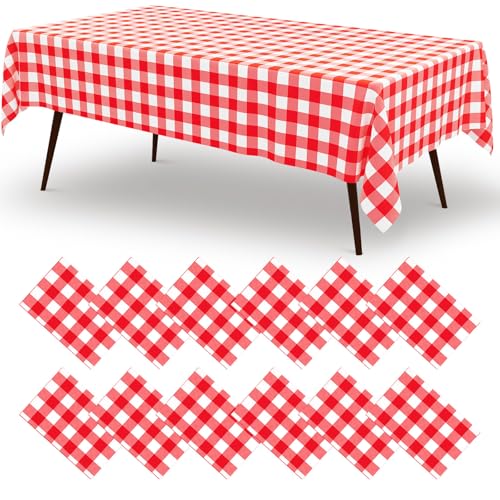
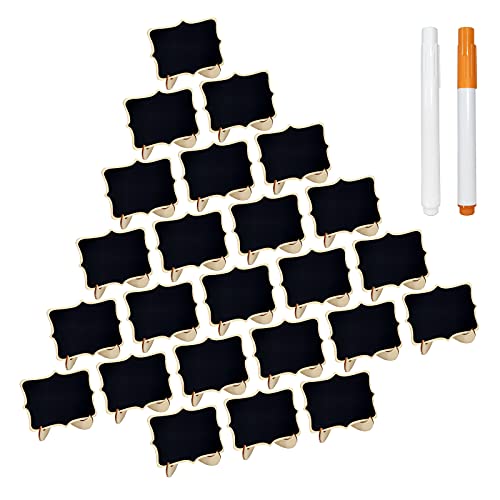
✦ Tip: Set up your food station on a fold-out table with a gingham cloth and small chalkboard labels — it takes almost no extra effort and makes everything look intentional and lovely.
6. Light the Night Safely
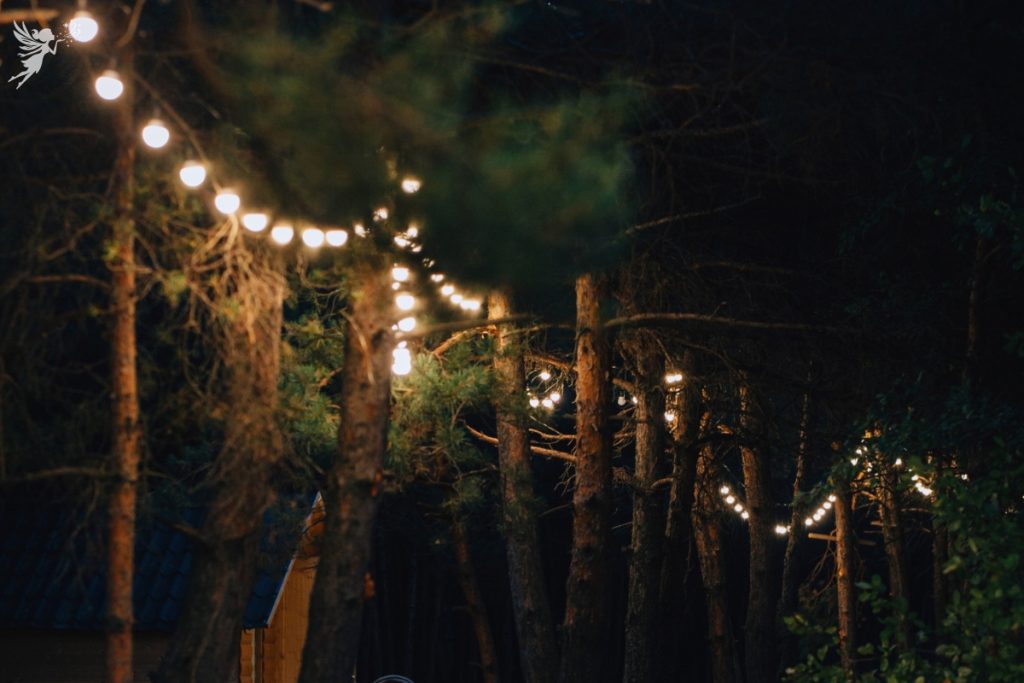
Good lighting is one of the details that transforms a backyard from ‘dark garden’ to ‘magical campsite,’ and it doesn’t take much to get there.
String solar fairy lights between fence posts, chairs, or bamboo poles around the sleeping area. Hang a few battery-powered lanterns from tent poles or low branches.
Give each child their own headlamp or small personal torch when it gets dark — this is genuinely practical (no one has to wake an adult to use the bathroom) and kids love the sense of independence it gives them.

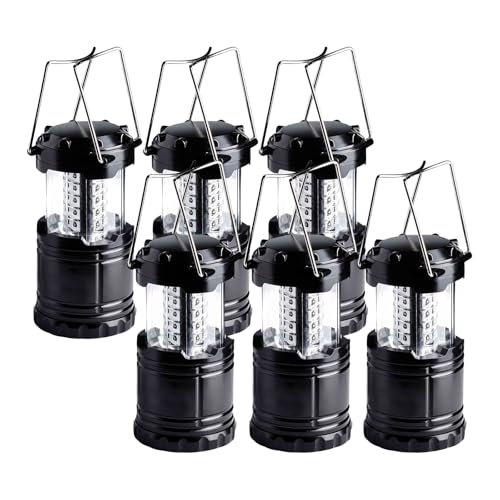

Important safety note: avoid open flames when children are unsupervised, and opt for LED candles or flickering bulb lanterns to create a cozy campfire atmosphere without the risk.
If you do use a fire pit or chiminea, establish a clear exclusion zone and make sure an adult is present whenever it is lit. Citronella candles or LED bug-repellent lights placed around the perimeter of your seating area can also help deter insects without adding a flame hazard.
✦ Tip: Pick up a pack of glow stick bracelets to give out when it gets dark — they make every child easier to spot in the garden, they’re endlessly fun, and they double as party favours to take home.
7. Don’t Forget the Bathroom Plan
This is the practical detail most people forget to think through until the first child needs the loo at 11 pm — so think through it now. Make sure all guests know exactly which bathroom they should use and how to get to it safely from the tent in the dark.
A glow stake or string of small lights marking the path from the tent to the back door makes a real difference, especially for younger guests who might feel nervous in an unfamiliar garden at night.
Stock the bathroom with everything guests will need for the evening:
- Plenty of toilet paper
- A bar of soap or hand wash
- A clean hand towel
- A nightlight so children can navigate confidently on their own.
If your campout involves guests who don’t know your home well, a small laminated sign with simple directions (turn left at the door; the bathroom is second on the right) can remove any anxiety.
Consider leaving a small basket of overnight essentials by the door, too — spare toothbrushes, face wipes, and travel mouthwash are always appreciated.
✦ Tip: Put a small torch or clip-on light by the back door specifically for bathroom trips — it means children aren’t stumbling around in the dark looking for a light switch, and it keeps the rest of the sleepers undisturbed.
8. Make a Back-Up Plan for Bad Weather
Even in the height of summer, the weather has a way of surprising you. A solid backup plan is not pessimism — it’s just good party planning, and having one means you can genuinely relax and enjoy the evening rather than anxiously watching the sky.
Check the forecast a few days out and again the morning of. If there’s a chance of rain, prep your indoor alternative in advance rather than scrambling on the night.
The good news is that a living room or large kitchen can be transformed into a surprisingly cozy indoor campout in about 20 minutes. Roll out sleeping bags on the floor, string fairy lights around the room, set up the same games and activities you’d planned for outside, and lean into the cosiness.
Have a ‘rainy day camping box’ prepared with a couple of board games, a movie option, and some extra snacks. Children are remarkably adaptable — if you treat the indoor move as part of the adventure rather than a disappointment, they will too.
✦ Tip: Keep a large gazebo or pop-up canopy on standby if you have one. Even light drizzle can be weathered under a decent canopy, which means you can often keep the outdoor magic alive with just a quick setup.
9. Prep the Morning-After Details
The morning after a campout has its own particular energy: groggy children, high spirits, and parents arriving for pick-up at a time when you’d quite like another hour (or three!) of sleep.
Planning ahead for the morning makes a significant difference to how smoothly it all wraps up.
- Lay out your breakfast supplies the night before so you’re not hunting for cereal bowls at 6:45 am.
- Simple, self-serve options work best — a basket of muffins or croissants, a bowl of fruit, juice boxes.
- Don’t forget hot water for adults who need coffee to function (and those picking up will no doubt need something with strength!).
Plan a slow, gentle morning. After the excitement of the night, children often just want to sit quietly, eat, and process everything. A simple craft activity, a calm game, or just free time to play works well.
Collection Time
Have a designated ‘pack-up zone’ where sleeping bags and gear can be rolled up and collected, and let children help with the tidying (yeah, they’re going to be reluctant) — it gives them something to do and means you’re not doing everything alone.
Send each child home with a small keepsake if you have them: a glow bracelet, a mini bag of trail mix, or a printed ‘camp certificate’ is a lovely finishing touch, depending on ages.
✦ Tip: Set your alarm 30 minutes before you expect the first early riser. That quiet half-hour to make yourself a coffee and tidy the kitchen before the chaos begins is worth its weight in gold.
10. Involve the Kids in Packing Their Own ‘Camp Kit’
One of the simplest ways to build anticipation before the campout — and reduce your own mental load — is to have each guest pack their own kit.
Send out a printable packing list with the invite (or as a follow-up message a few days before) and encourage parents to let their children pack their own backpack with help rather than doing it for them.
When children arrive, having chosen their own torch, packed their favorite snack, and tucked in their comfort teddy, they feel a sense of ownership over the adventure from the very first moment.
A good camp kit list for most ages includes:
- Sleeping bag
- A light roll mat
- Pillow or travel pillow
- Torch or headlamp (with fresh batteries)
- Warm layer or hooded fleece
- Waterproof jacket
- Change of clothes for the morning
- Toothbrush and toiletries bag
- Water bottle
- One small personal comfort item.
For younger guests, you might also suggest a small cuddly toy or favorite book for settling time. Keep the list manageable — overpacking leads to scattered gear and difficult tidying the next morning.
✦ Tip: Create a simple one-page printable ‘Adventure Pack’ checklist with fun camping illustrations — free templates are easy to find on Canva or Pinterest, and parents genuinely appreciate having something concrete to hand their child the week before.
11. Set House & Garden Rules
Clear, friendly boundaries set at the start of the evening make everything run more smoothly — for you and for the children. Kids feel more confident and settled when they know exactly what is and isn’t allowed, and it prevents the slow drift of behavior that can happen when expectations aren’t established upfront.
Gather everyone together before activities begin and run through the key rules in a light, matter-of-fact way. For example:
- Stay within the yard boundary
- Never climb a neighbor’s fence
- No roughhousing inside the tents
- Torch beams stay below shoulder height
- Quiet time starts at a specified hour.
Be specific about boundaries: if certain areas of the garden (a pond, a shed, a vegetable patch) are out of bounds, point them out clearly and explain why.
If you’ll be sleeping in the house while the children camp outside, be clear about how and when they can come to the door — and consider a simple ‘knock three times for emergencies’ rule that gives children a clear route to an adult if they need one without creating an open invitation to knock for anything and everything.
✦ Tip: Frame the rules as ‘Camp Code’ rather than a list of restrictions — write them on a small chalkboard or laminated card near the tent and introduce them as ‘the official rules of Camp [Your Name].’ Children are far more likely to respect rules they feel proud to be part of.
12. Have a Cozy Chill-Out Corner
Not every child thrives in the full energy of an outdoor party, and that’s completely normal. Having a designated quiet corner — somewhere slightly separate from the main action where a child can decompress, sit with a book, or just take a breath — can genuinely be the difference between a guest who stays all night happily and one who needs to go home early.
This doesn’t need to be elaborate: a beanbag and a blanket in a sheltered corner of the garden works well, or a designated ‘indoor chill zone’ with soft lighting, a movie option, and a few quiet games.
Introduce the chill-out corner positively when guests arrive — not as a consequence or retreat, but as a lovely option. Something like: ‘We’ve got our dance zone over here and our chill zone over there — you can move between them whenever you want.’
This framing means sensitive or introverted children can use it without feeling singled out, and it often becomes a social space in its own right as the evening progresses, with small groups naturally gravitating there for quieter conversation.
✦ Tip: A small basket of fidget toys, coloring sheets, sticker books, or card games in the chill zone gives children something purposeful to do in the quieter space, which tends to be more settling than simply sitting still.
13. Add a Special Touch of Magic
The details are what children remember. Long after the specific games have blurred together, what kids carry with them from a campout is the feeling — and the feeling is made up of small, intentional moments of magic.
These don’t have to cost anything significant or take hours to prepare. Personalised tent signs with each child’s ‘camp name,’ a welcome basket with a glow bracelet and a small bag of trail mix waiting on each sleeping mat, a handwritten ‘Camp Menu’ on a chalkboard, or a simple ‘certificate of adventure’ to take home — these tiny touches signal to every child that this night was made especially for them.
Think about the sensory experience too: the smell of warm popcorn when guests arrive, a playlist that shifts from upbeat to mellow as the evening winds down, a trail of glow sticks leading from the back door to the tent.
None of these costs much or takes long, but they layer together into an atmosphere that feels genuinely enchanted. This is also a great opportunity to include a few nature-themed crafts or activities — making glow jars, decorating torch covers, or pressing flowers found in the garden — that children can take home as a tangible memory of the evening.
✦ Tip: Take a group photo early in the evening while everyone is energized and glowing. Print a small copy for each child to take home, or create a simple shared album link for parents. It costs almost nothing and is often the detail people mention months later.
Ready to Make It a Night to Remember?
Whether you are hosting four children or a full class of twenty, the principles are the same: prepare the practicalities in advance, layer in a few thoughtful touches of magic, and then trust the night to do the rest.
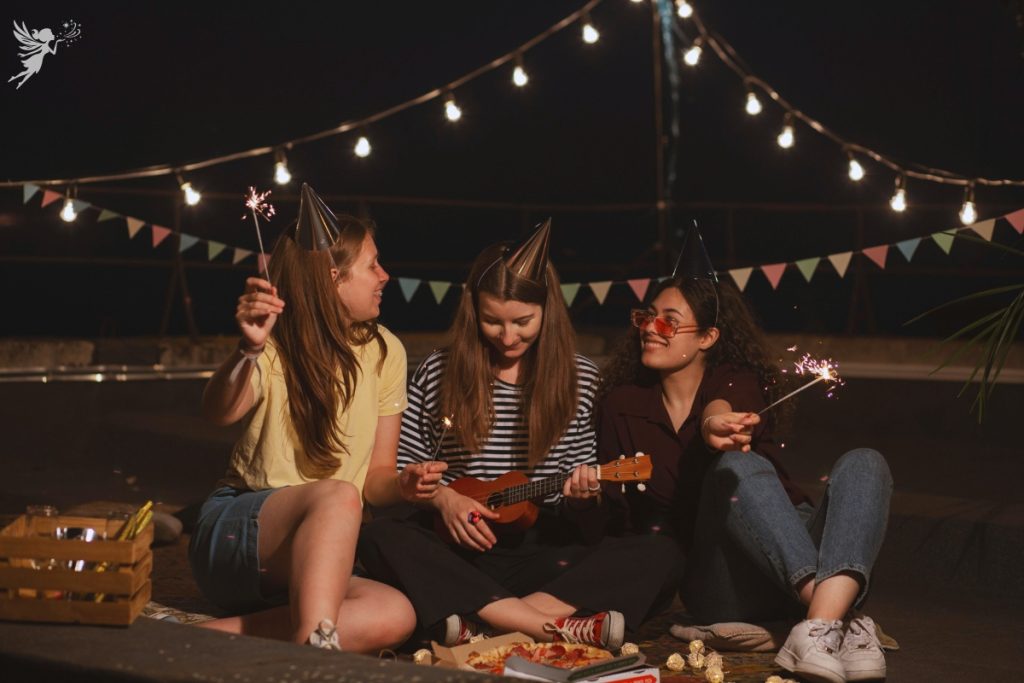
Backyard campouts have a way of exceeding expectations — the combination of fresh air, freedom, and the simple thrill of being outside after dark does something to children that no indoor party quite replicates.
Follow this guide, pick your favorite games from our companion activity list, and give yourself permission to enjoy them too. You are not just throwing a party. You are creating one of those summers-of-childhood memories that your children will carry with them for years.
Need More Summer Party Inspiration?
A backyard campout for kids is just one of the 40+ ideas we have for a summer-themed kids party, you may also be interested to read next:
- All 40+ summer-themed kids birthday parties for 2026
- Water party ideas for kids (no pool required!)
- How to host a 4th of July BBQ at your place
- Tween & teen party guide for summer
- Ultimate slumber party hosting guide for teens
© Little Party Pixie 2026